What 95 Percent Compaction Really Means for a Bozeman Pad
Published July 1, 2026
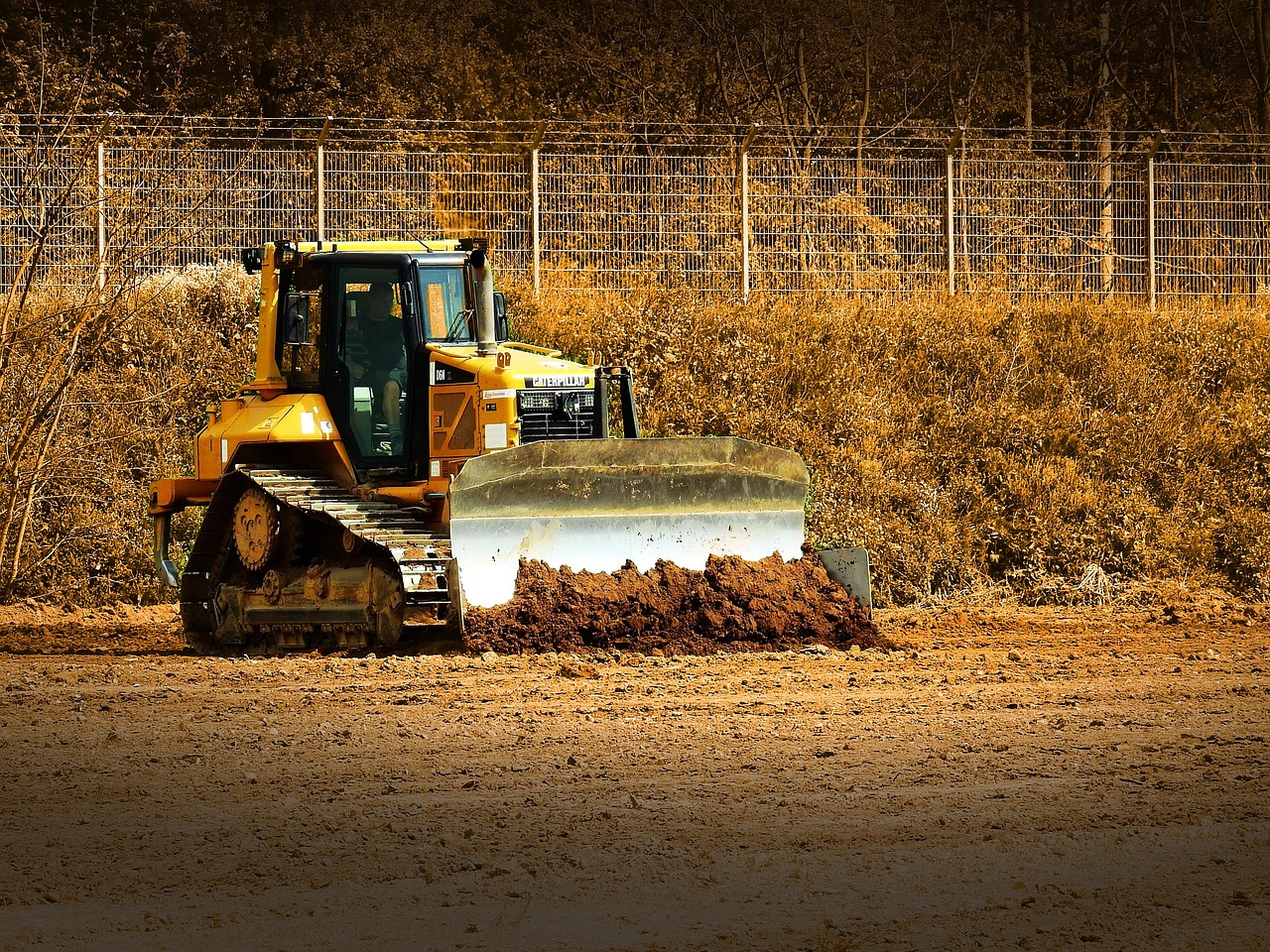
Ask three people what “95 percent compaction” means and you may get three answers. It is one of the most important numbers on a set of grading plans, and it is worth understanding before you pour anything in the Gallatin Valley. Here is what the spec actually says, and why it decides whether your pad holds.
The Number Comes From a Lab Test
Ninety-five percent is not a percentage of some ideal dirt. It is 95 percent of the maximum dry density that a lab finds for your specific soil in a Proctor test. The lab compacts a sample at several moisture levels, finds the point where it packs tightest, and that becomes the target. In the field, we compact your fill and measure it against that number with a density gauge. Hit 95 percent and the fill has few enough air voids that it will not compress under load.
Why It Protects Your Foundation
Loose fill settles. When it settles unevenly under a slab or footing, it cracks concrete and drops corners. Bozeman adds frost to the problem, since the ground here can freeze close to four feet down and heave a poorly built pad. Fill compacted to spec, combined with drainage that keeps water out of the subgrade, is what keeps a foundation flat through the freeze and thaw cycles. Our soil compaction and structural fill work is built entirely around hitting that target.
Moisture Is Half the Battle
Soil only reaches maximum density near its optimum moisture content. Too dry and it will not pack, too wet and it pumps and shoves under the roller. That is why we moisture-condition fill before placing it and why we hold off during a saturated stretch. Forcing a wet lift to pass is how a pad fails a test, or worse, fails after everyone has gone home.
Lifts, Not Loads
A roller only reaches so deep, so dumping a thick load and rolling the top leaves the bottom loose. We place fill in six to eight inch lifts and compact each one, so density is uniform from the subgrade up. It takes longer than one big push, and that time is the difference between a pad that lasts and one that settles.
Get the Paper Trail
When an engineer or Gallatin County requires it, each lift gets a field density test and the results go in a report. That paperwork is what an inspector signs, and it is your proof the ground was built right.
Planning a slab, driveway, or foundation in the Bozeman area? Call Coullaudkoulinsky at (406) 305-7634 or contact us for a free site visit.
Need help in Bozeman?
Call (406) 305-7634